Artica Listens 2020: Part 3 - An International Community
When the Covid-19 crisis hit, foreigners truly experienced that they have different social rights in Svalbard than Norwegians. Foreigners on Svalbard do not need residence and work permits, but everyone must have a place to stay and enough economical resources to support themselves. In addition, social assistance is not offered on the island. In this episode we hear several stories from some of those who are affected. We discussed the challenges and opportunities for Longyearbyen as an international community.
For more information about the Artica Listens 2020 event visit here.
More Videos
Recorded at Svalbard Museum - 12 January 2026
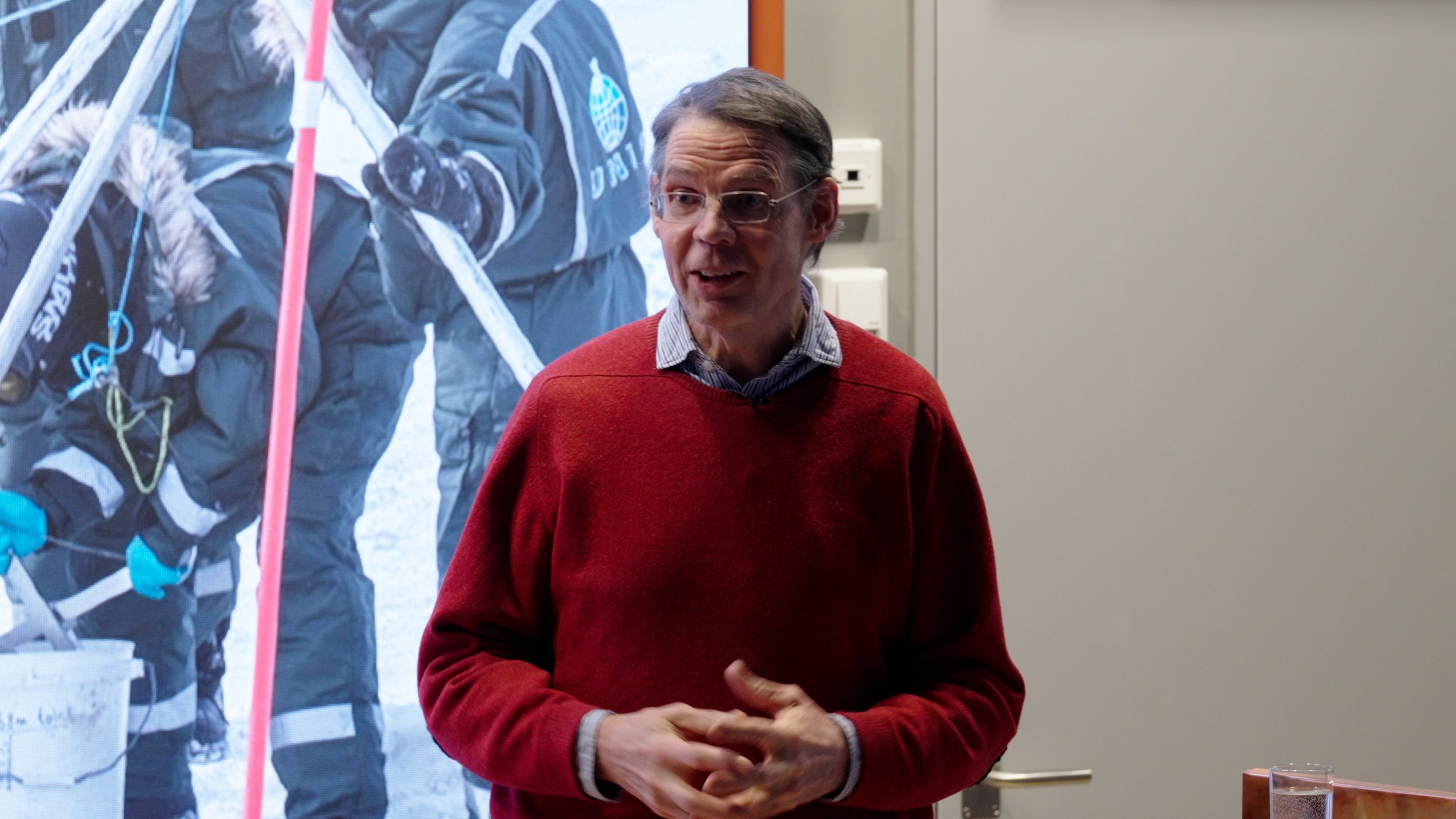
Is the Arctic an early warning system for physical, chemical, and biological risks facing the Earth? In this Lantern Lecture, Gijs Breedveld explores how Svalbard’s unique position in the global system makes it a critical site for understanding slow-moving, often overlooked environmental threats — what he refers to as “creeping risks”.
Recorded at Artica Svalbard - 16 December 2025
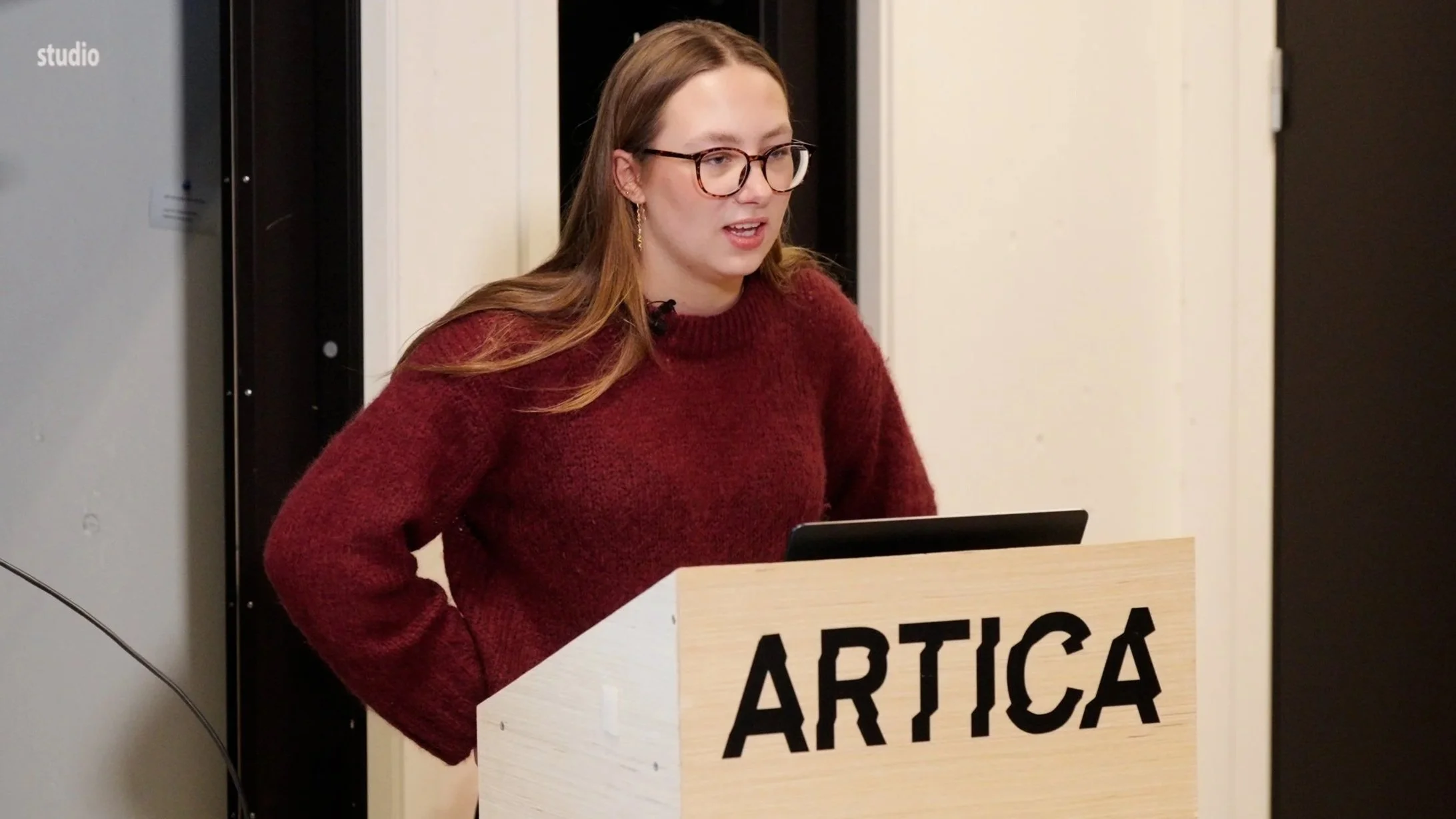
Growing up in the world’s northernmost community means living with constant contrasts. In this talk, Embla Abild reflects on her upbringing in Longyearbyen — a place shaped by darkness, avalanche risk, and polar bears, but equally defined by warmth, trust, and a strong sense of community. Svalbard, she argues, is a society built on volunteerism, diversity, and mutual care, where people stand up for one another regardless of background, faith, or nationality.
Recorded at Svalbard Museum - 11 December 2025
Everything we know will one day disappear. While societies have long developed systems and rituals for letting go — from waste management to funerals — heritage has often been treated as something that should last forever. In this talk, Anatolijs Venovcevs examines why this assumption is becoming increasingly unrealistic in the face of climate change, limited resources, and the sheer volume of heritage sites under protection, a challenge that is particularly acute in Svalbard.
Recorded at Svalbard Museum - 13 November 2025
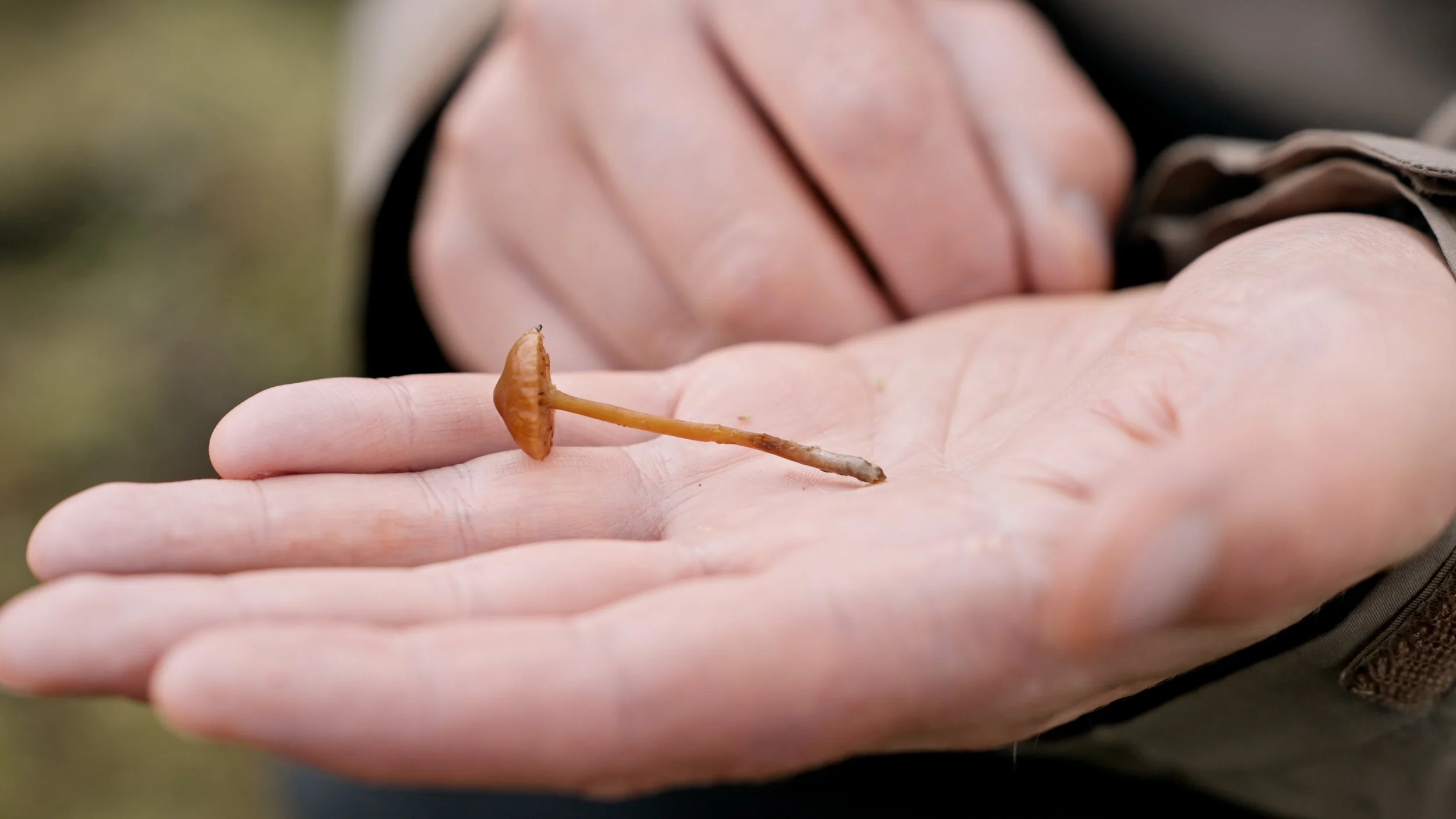
The climate in Svalbard is changing at an alarming pace — temperatures are rising, glaciers are retreating, and rainfall is replacing snow. In this talk, Ine-Therese Pedersen, state meteorologist and long-time resident of Svalbard, reflects on how these shifts are affecting daily life in the Arctic and what it means to live in a landscape that is visibly transforming.
Recorded at Litteraturhuset, Oslo – 27 March 2025
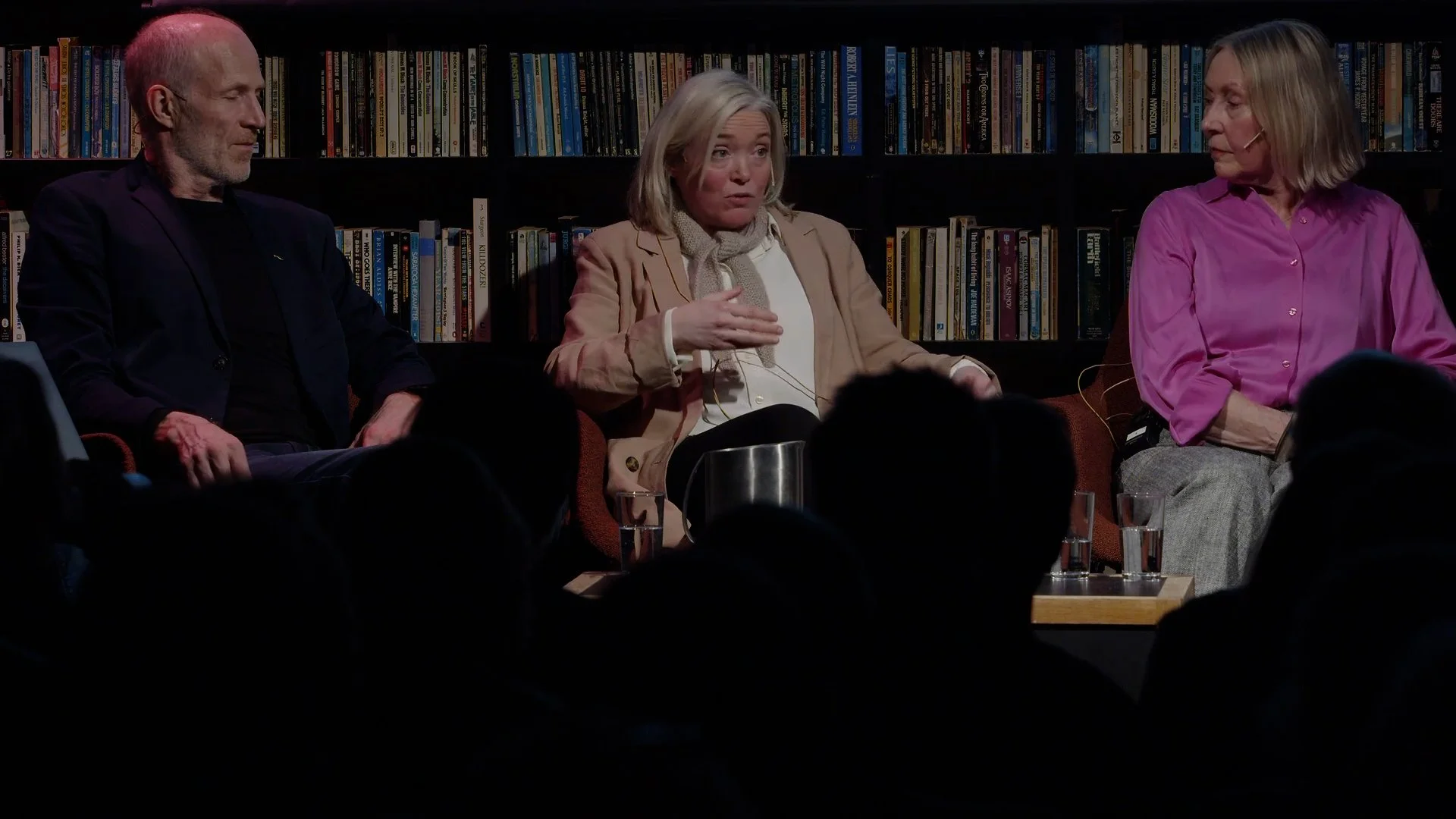
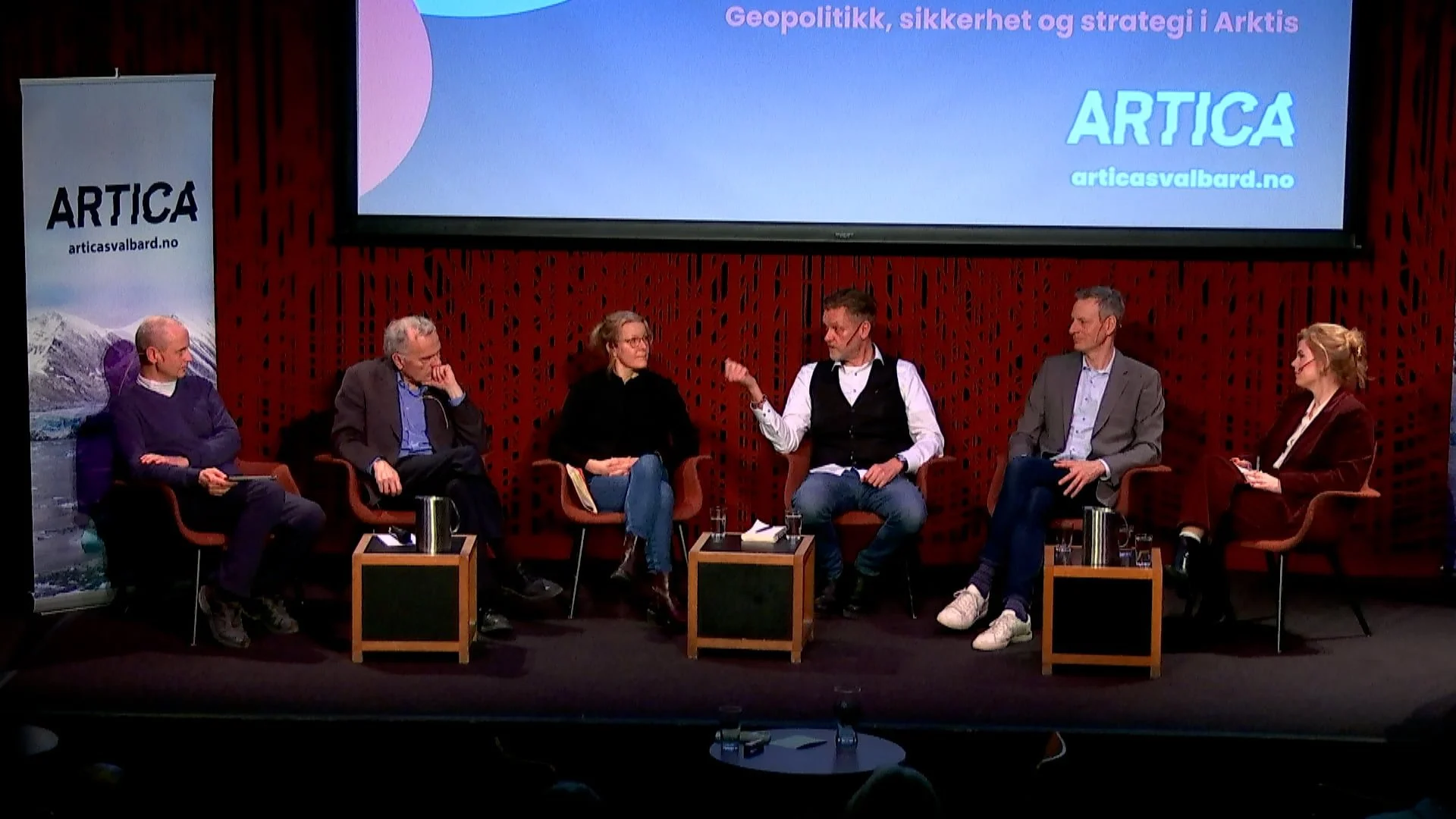
This panel event brings together leading voices in Arctic policy, international security, and geopolitical strategy to explore the shifting balance of power in the region—with a particular focus on Svalbard.
In the summer of 2022 we welcomed Spanish artist Inma Herrera to the Artica residency. In this new film Herrera, a visual artist living and working in Helsinki since 2014 shares her reflections on the residency experience, her practice and the meditative process of making.
In November 2021 Artica resident Jessica MacMillan presented Time Line, a one-of-a-kind short term public project which took place for the first time in Longyearbyen.
In October 2021, Artica hosted the project: The Slow Adventure, a collaborative between artist Floortje Zonneveld and the students of the Svalbard Folkehøgskole.
For Artica Listens 2021 Ignas Krunglevičius, created HARD BODY DYSPRAXIA, a sonic installation inside a disused coal power plant in Longyearbyen, Svalbard.
In April 2021 during Maja Lunde’s residency, Artica and Longyearbyen Library hosted an in conversation with Longyearbyen based writer and journalist Line Nagell Ylvisåker.