
We are very pleased to announce the artists selected for the Tarandus Field-Based Arts–Science Residency 2026–2027.
Following an international open call that received 108 applications, eight residencies have been awarded for the coming year. Developed in collaboration with the University Centre in Svalbard (UNIS), the programme embeds artists within ongoing biological research on Svalbard reindeer.
Residents will spend approximately three weeks at a remote field cabin located 40 km south of Longyearbyen, working alongside researchers in the high-Arctic tundra while developing their own artistic research through observation, fieldwork and close engagement with the landscape.
Throughout the residency period, we will share field reports, reflections, and observations from the artists and research team, offering insight into the experience of living and working in this remote environment and the evolving dialogue between artistic and scientific practice.
The Tarandus Residents are:
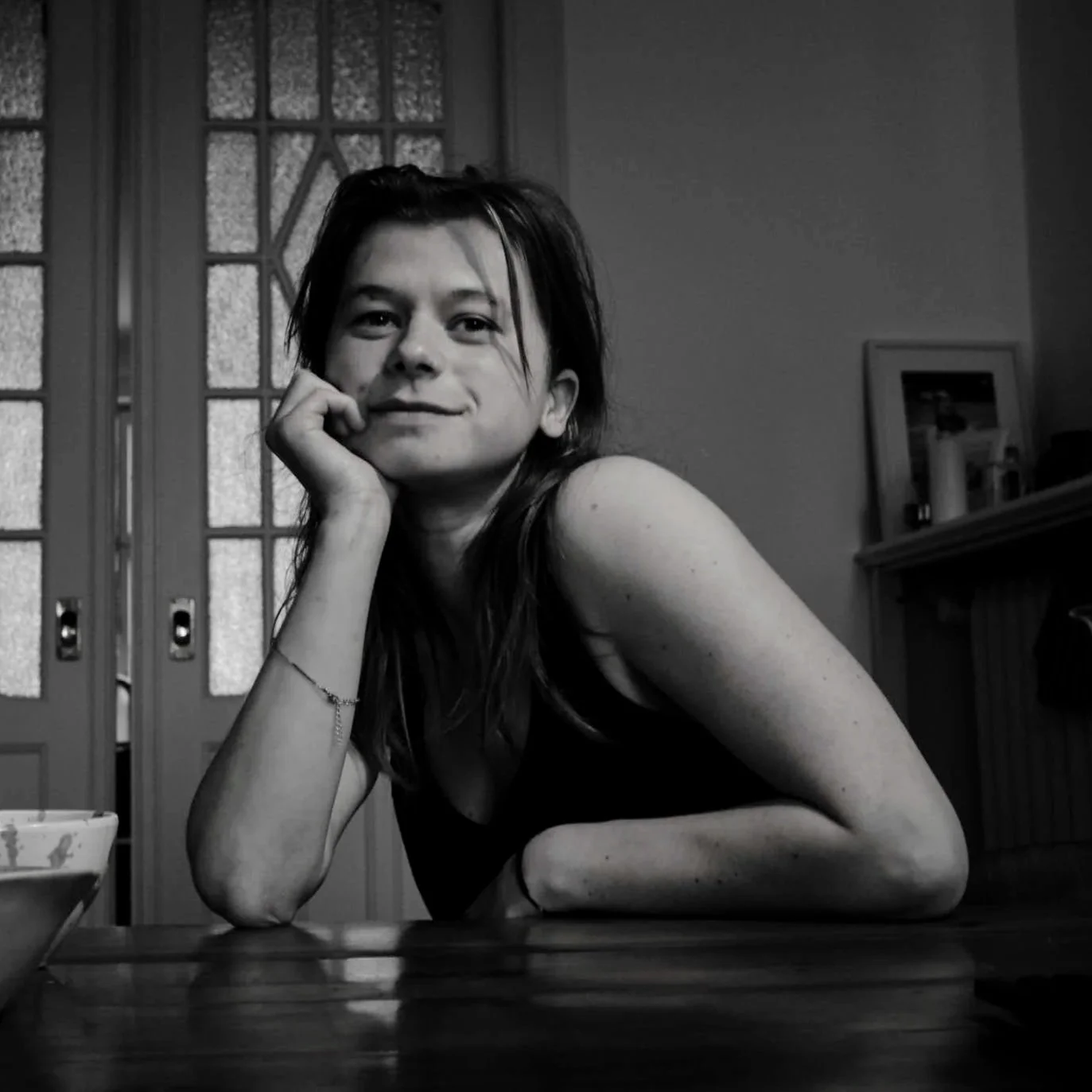
Photo credit: Astrid Grosser

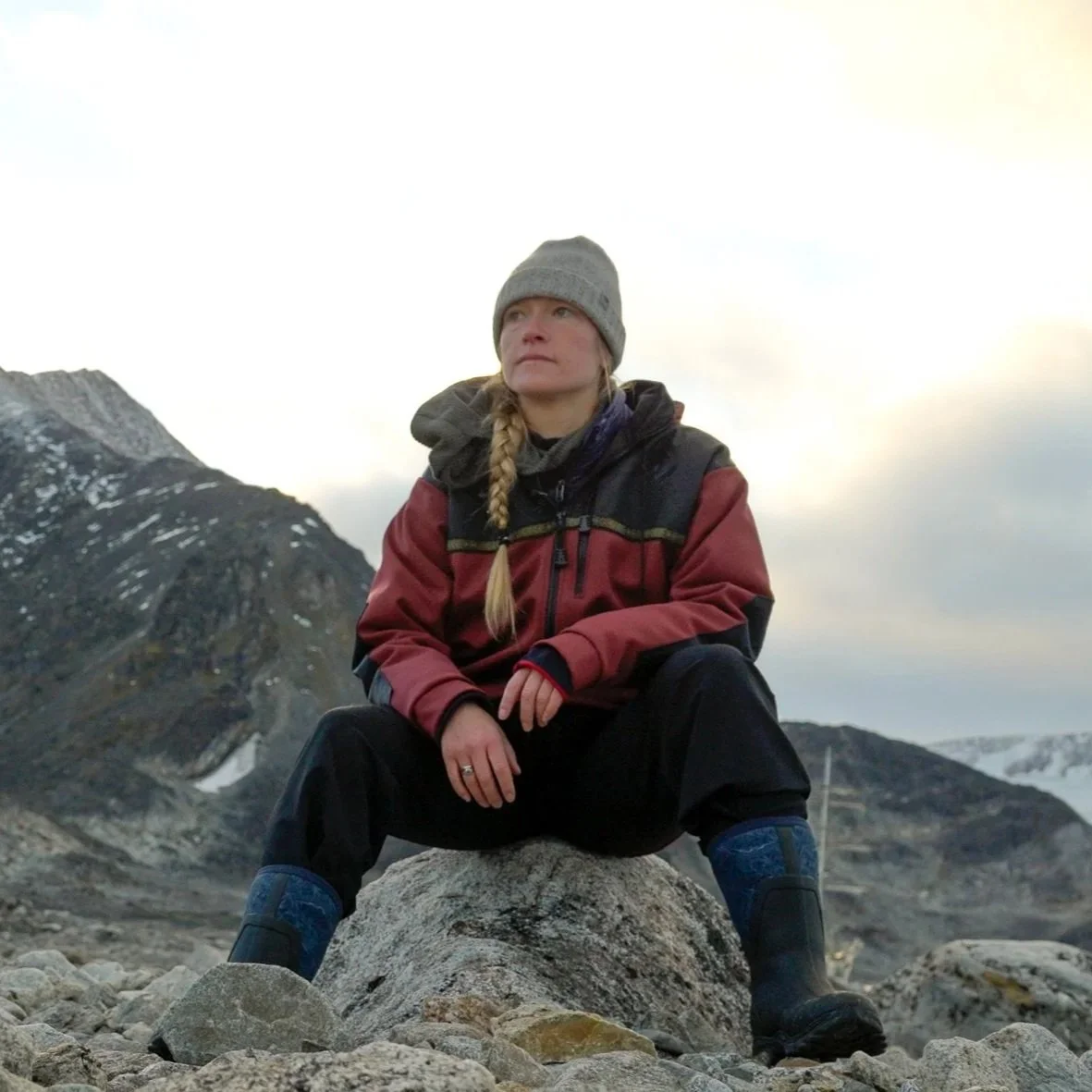
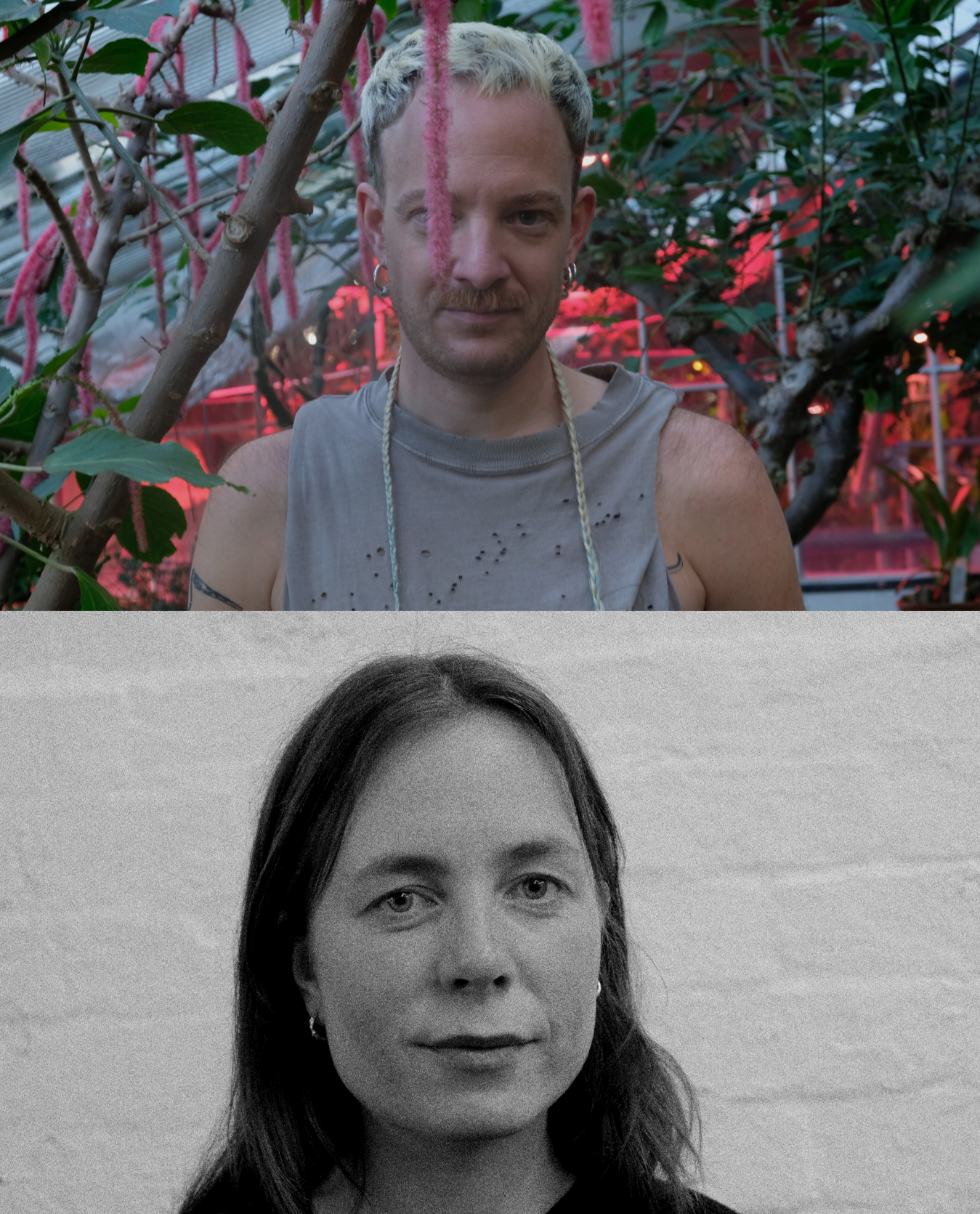
Photo credit: (top) Nutsa Gabisonia / (bottom) Georgi Birch
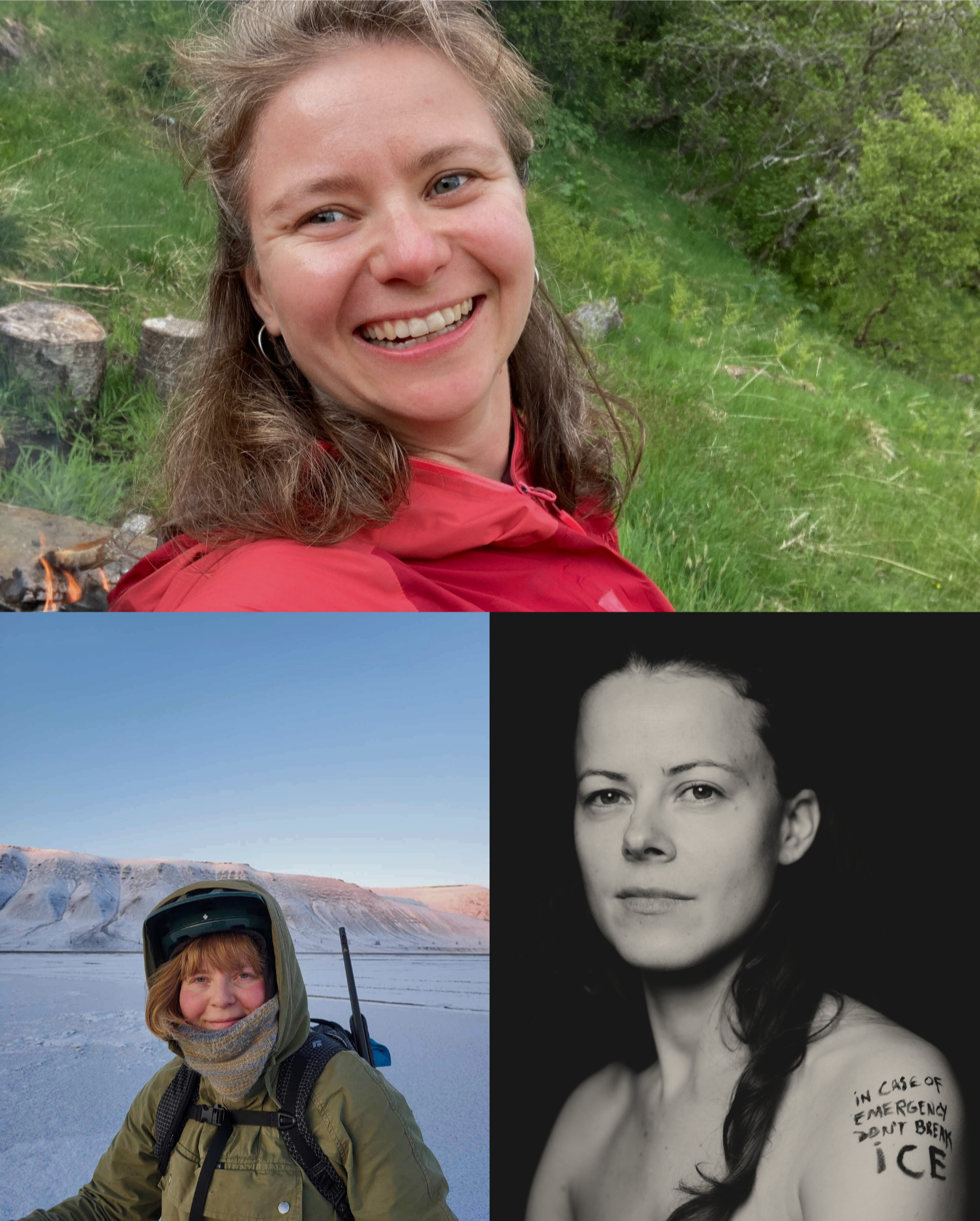
Photo credit: (bottom right) Pierre Dugowson
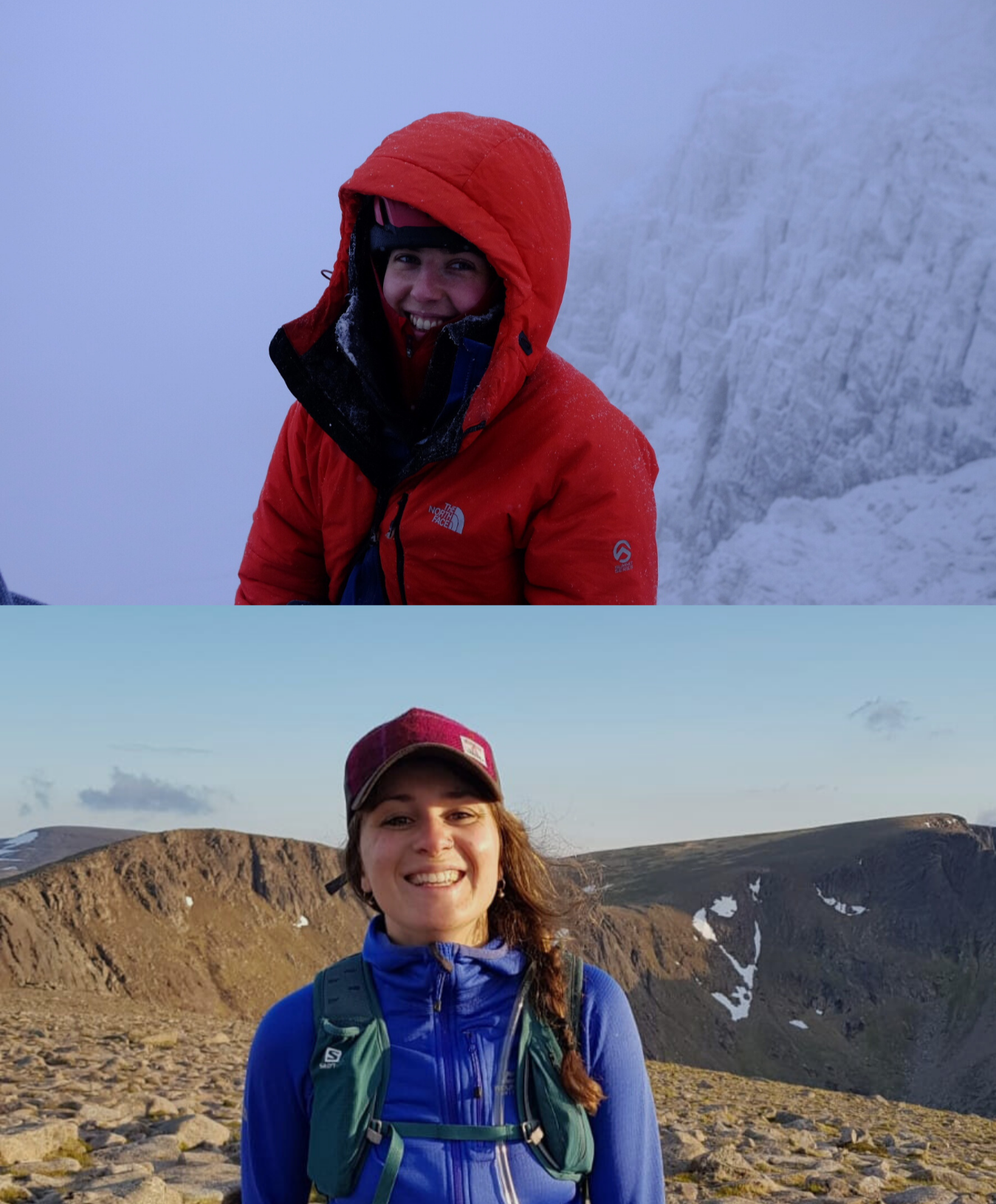
Photo credit: (top) Katie Edge
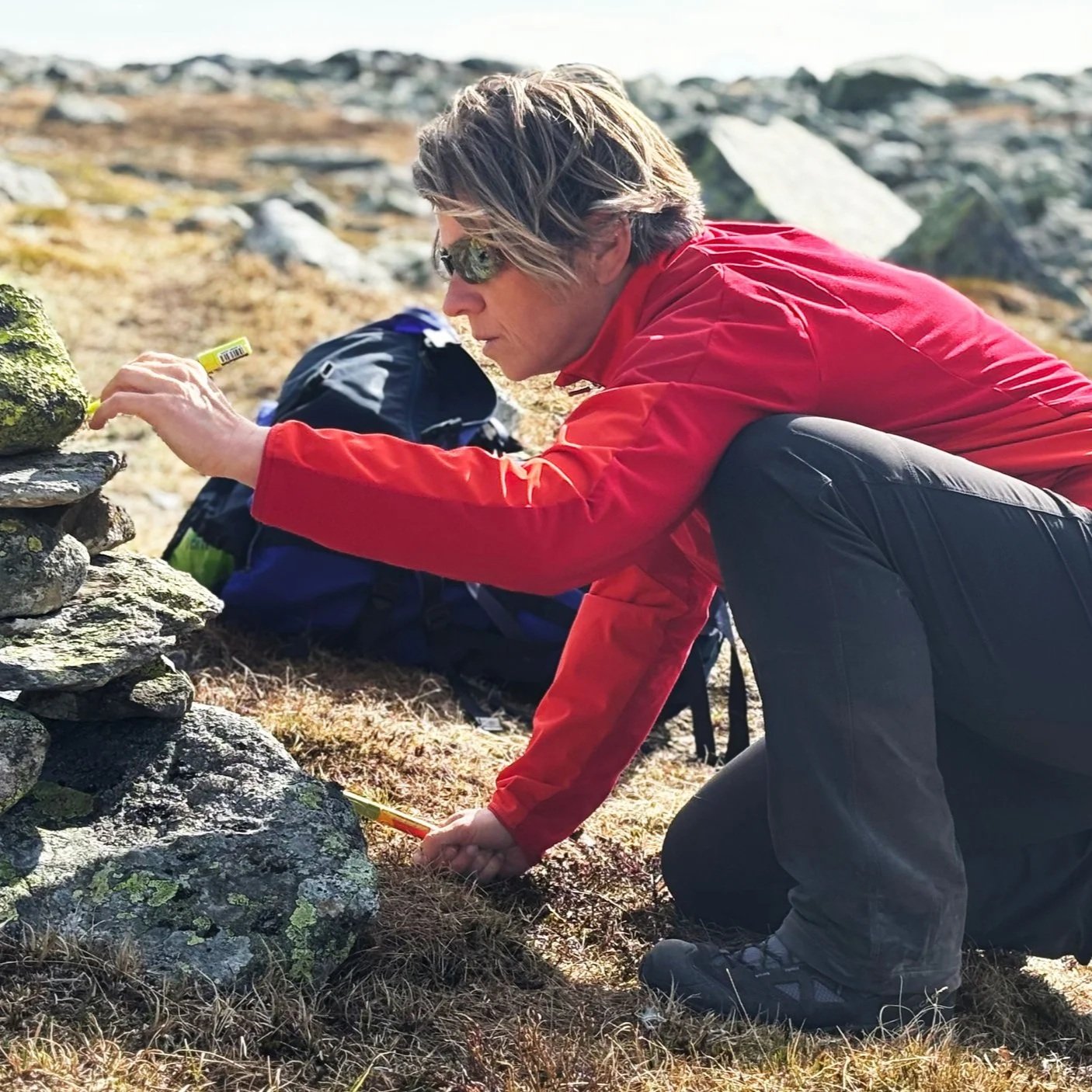
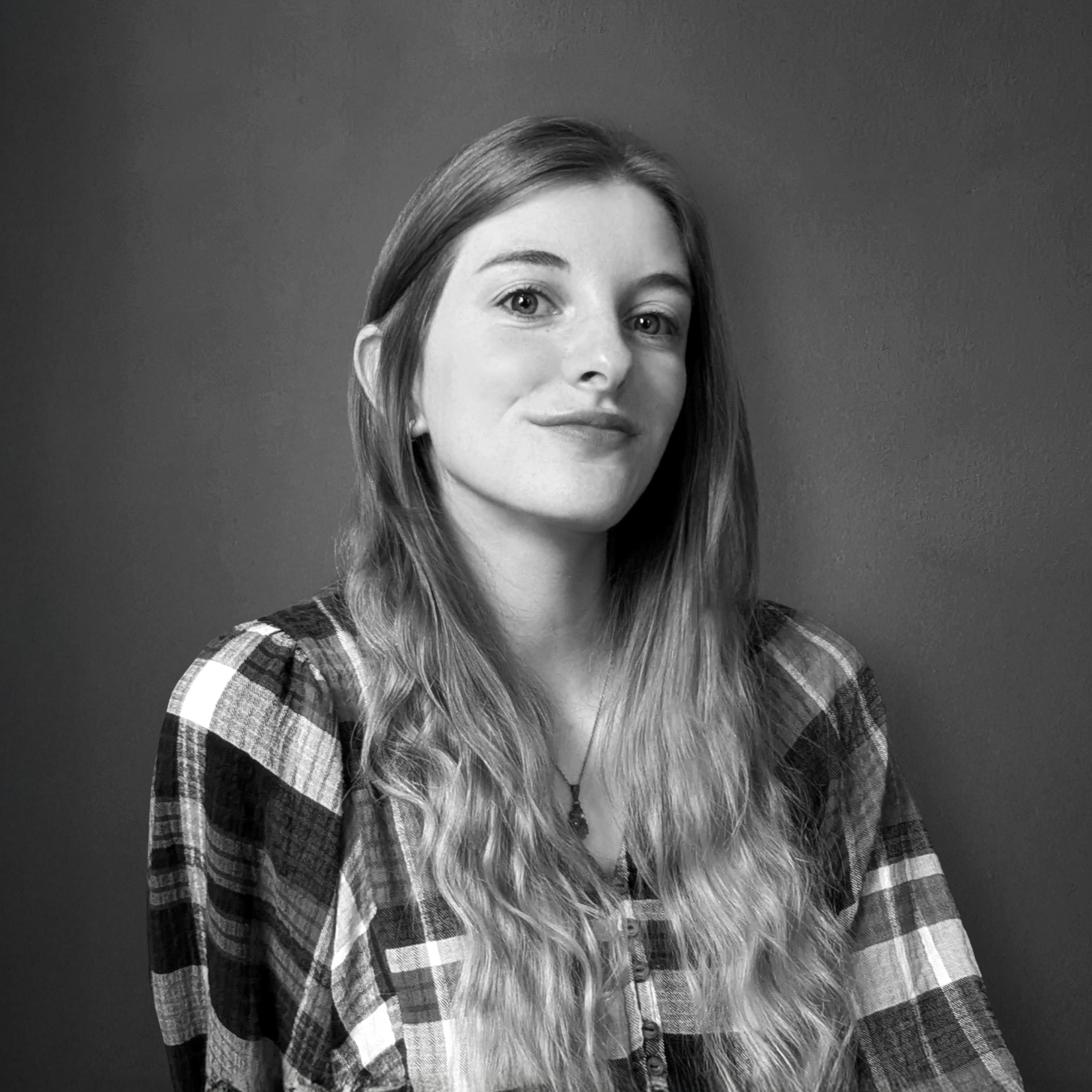
Ida Freya Köhn
Ida Freya Köhn is a multidisciplinary artist from Germany whose practice centres on sound as both material and method. Working with field recordings from Arctic and remote environments, she creates immersive sound installations that respond to the movement of the audience, encouraging attentive listening as a way of perceiving environmental change. Köhn has an academic background in biogeochemistry and ecology and has spent much of the past decade working in Arctic regions including Svalbard, northern Norway and Iceland.
During her residency, Köhn will record terrestrial and environmental sounds in the Reindalen area, including those from the surrounding landscape, the cabin and daily fieldwork. With a particular focus on soil acoustics, she will monitor how sound dynamics shift during the seasonal transition from spring to summer, developing new sound compositions that explore listening as a way of sensing ecological change.
Kathy Sirico
Kathy Sirico is a Brooklyn-based artist and poet whose practice spans collage-based painting, stained-glass sculpture and mixed-media installation. Her work explores relationships between humans and the more-than-human world, bringing together personal experience with scientific, mythological and poetic perspectives to reflect on ecological change. Sirico holds an MFA from the San Francisco Art Institute and has undertaken residencies including Artica Svalbard, The Arctic Circle and Santa Fe Art Institute.
During her residency Sirico will continue her artistic and literary research on climate change in the Arctic. Through poetry, prose and works on paper, she will explore the lives of Svalbard’s reindeer and the ecosystems they depend on, reflecting on the emotional and ecological connections between landscape, wildlife and the communities who study and care for them.
Alexandra Lockhart
Alexandra Lockhart is a dancer and choreographer originally from Colorado and currently based in London. Her interdisciplinary practice combines embodied knowledge with scientific inquiry to explore ecological relationships through performance, installation, film and photography. She is currently completing her MFA at Trinity Laban Conservatoire of Music and Dance and has previously collaborated with institutions including NASA Sun Science and the National Center for Atmospheric Research.
During her residency, Alexandra will explore how ecological movement systems in Svalbard are shifting in response to climate change, developing choreographic scores and movement maps informed by field observation and scientific data. The research will contribute to new performance works and her ongoing dance film project Svalbard Series: Movement Vignettes.
Christian Fohringer & Kristin Wichstrøm
Christian Fohringer (they/them) is a wildlife biologist and MSCA postdoctoral fellow at Aarhus University whose research focuses on the ecophysiology of Arctic herbivores and how species such as reindeer adapt to rapidly changing environments. Kristin Wichstrøm (she/her) is a Norwegian artist and lighting designer working across installation, light, sound and computational image-making. Together they bring scientific research and artistic practice into dialogue, exploring sound, perception and multispecies relationships through collaborative audiovisual work.
During their residency, they will experiment with recording and amplifying environmental soundscapes, including those of wildlife and surrounding ecosystems. Combining field recordings with environmental sensor data, the artists will explore how changing Arctic conditions can be translated into audiovisual form, developing material for a multimedia installation and a potential online archive that communicates narratives of ecological adaptation.
Alexandra Meyer, Lilli Wickström & Oriane Laromiguière
Alexandra Meyer is a social anthropologist researching human–environment relations and Arctic change. Lilli Wickström is an architect and artist based in Svalbard whose work explores sustainable design, cultural heritage and life in extreme environments. Oriane Laromiguière is a French journalist and podcast host working across print, radio and documentary formats, focusing on polar research, landscapes and creative practices. Together they bring perspectives from anthropology, architecture and journalism to explore how stories emerge from Arctic environments.
During their residency the trio will develop their collaborative project Tales from the Landscape. Through attentive listening, observation and documentation, they will explore relationships between people, animals and place, reflecting on how both scientific and artistic research can act as forms of care in a fragile and rapidly changing Arctic landscape.
Helen Tatlow & Lizzie Wood
Helen Tatlow and Lizzie Wood are a creative duo based in the Cairngorms, Scotland, working across visual art, writing and community-led environmental engagement. Their collaboration grew from facilitating a hillwalking group for migrant women resettled in the Highlands, where they explored how shared experiences in nature can build confidence, connection and dialogue around landscape and climate. Their practice combines drawing, painting and research-driven storytelling with a strong interest in community action and relationships between people and place.
During their residency at Tarandus, they will assist with field-based research on Svalbard reindeer and observe how Arctic landscapes are responding to climate change. Drawing on these experiences, they plan to create a riso-printed mini-comic that combines narrative storytelling with scientific research, exploring parallels between Svalbard and the northern Scottish landscapes they call home.
Line Prip
Line Prip is a Norwegian artist whose site-sensitive practice explores how landscapes and natural forces shape behaviour and adaptation. Drawing on fieldwork and immersive residencies, she examines parallels between geological and ecological processes and human experience, often considering relationships between human and non-human species. Prip holds a BA in Wilderness and Wildlife Management and graduated from the National Academy of the Arts in Oslo.
During her residency Prip will work alongside researchers studying Svalbard reindeer, participating in field observations and ecological data collection. This experience will inform her ongoing artistic research into adaptation and environmental change, connecting empirical scientific knowledge with artistic exploration of the landscapes surrounding Longyearbyen.
Jess Mountfield
Jess Mountfield is an animation director and illustrator whose work spans documentary, visual anthropology and collaborative practice. She has worked with organisations including the BBC, MTV and Adult Swim, as well as with charities and scientists across a range of formats including film, museum exhibitions, installations and published books. Jess is particularly interested in storytelling as a way of exploring relationships between science, landscape and more-than-human perspectives, and is currently a lecturer at the University of the Arts London.
During her residency Jess will continue her research into the layered temporal rhythms of Svalbard — from geological time to the seasonal cycles of reindeer, plants and migratory species. Through field observation and collaboration with scientists, this research will inform her current writing on time and contribute to the development of an experimental animated film exploring how different forms of storytelling can communicate our place within the Earth’s evolving systems.
Tennessee Watson
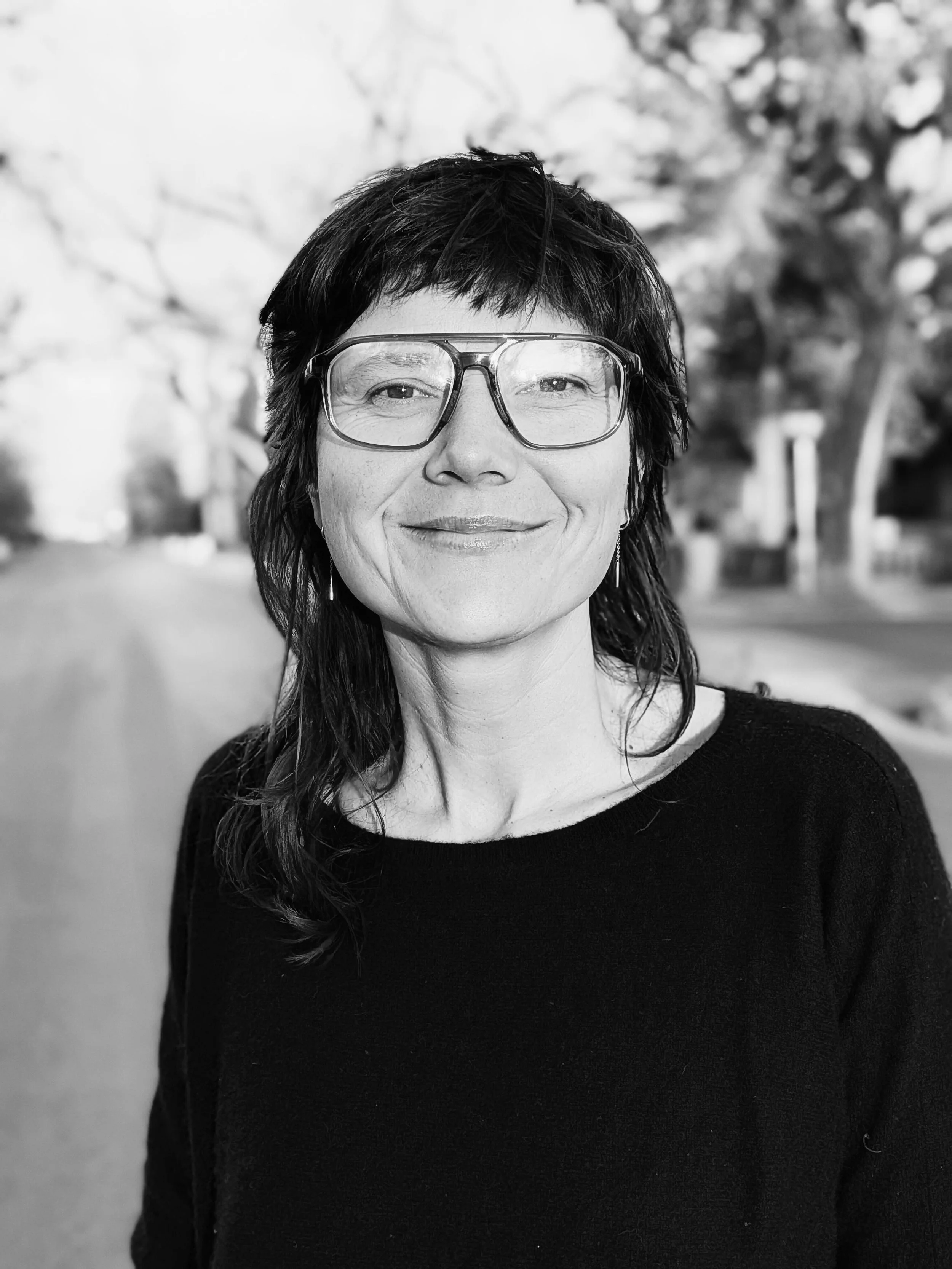
Tennessee Watson is an award-winning journalist and documentary maker based in Wyoming, USA. She's worked in print, radio, video and public installations. She loves asking questions, exhausting adventures, dance parties, her dogs and pineapple on pizza.
During the residency Tennessee will be gathering interviews and sounds for an episode of Terrestrials about Svalbard reindeer. Terrestrials, from Radiolab, introduces listeners to creatures and earthly phenomena that defy expectations of how nature is supposed to work.