
Tarandus Field-Based Artist Residency
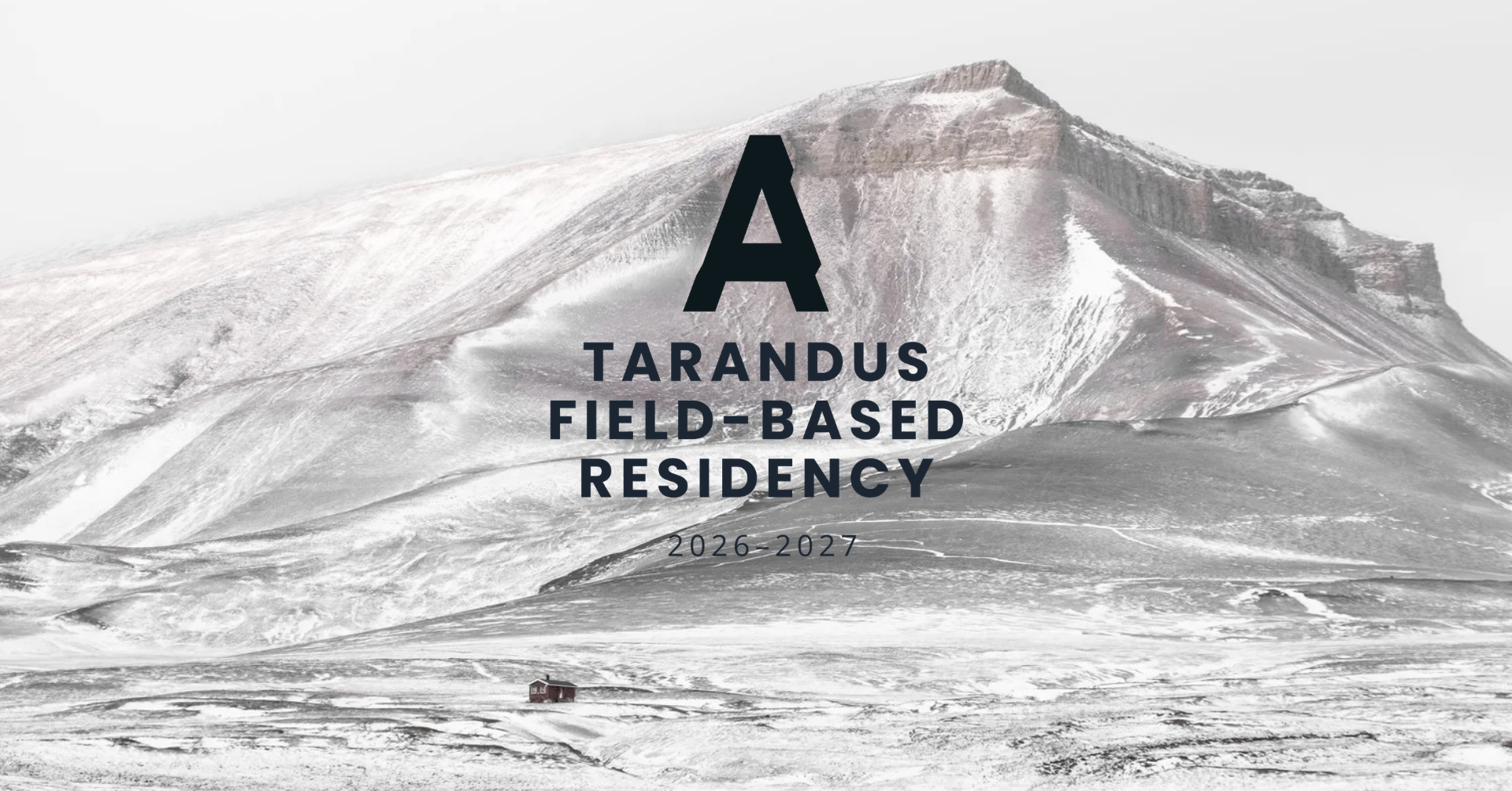
Tarandus Field-Based Residency
Art–Science Collaboration on the High-Arctic Tundra
Artica Svalbard’s Tarandus Field-Based Residency is a collaborative art–science initiative developed in partnership with the University Centre in Svalbard (UNIS). The project places artists directly within ongoing biological field research on Svalbard reindeer, creating a space where artistic and scientific inquiry unfold side by side in the high Arctic landscape.
The residency takes place at Tarandus, a remote field cabin located approximately 40 km south of Longyearbyen. Here, artists live and work alongside scientists, students, and field assistants while participating in research activities and developing their own artistic investigations.
Rather than simply situating artists within a scientific context, the project is designed to foster shared observation, dialogue, and embodied experience in the field. Through sustained time spent in the landscape, artists and researchers exchange perspectives on environmental change, ecological processes, and the relationships between humans and non-human species.
Read about the selected residents here.


Art and Science in the Field
The Tarandus residency is embedded within ongoing research on Svalbard reindeer and the rapidly changing Arctic environment. Scientific work focuses on understanding how climate change is reshaping tundra ecosystems and how reindeer populations respond to shifting environmental conditions.
During their residency, artists assist with aspects of the scientific fieldwork while pursuing their own research and creative practice. Field activities may include:
Observing and documenting reindeer behaviour
Monitoring snow, ice, and environmental conditions
Maintaining scientific monitoring equipment
Collecting plant, soil, and fecal samples
Recording calving and breeding behaviour through observation and video
Research priorities shift throughout the year according to the reindeer’s annual reproductive cycle and seasonal environmental changes. As such, artists participate in different types of fieldwork depending on the period of their residency.
This collaborative approach allows artistic research to emerge through direct engagement with ecological systems, field methods, and lived experience in the landscape, while also encouraging dialogue between artistic and scientific ways of knowing.
Living and Working at Tarandus
Tarandus is a remote Arctic field station located in open tundra landscape with no road access. Travel to the cabin takes place by foot during the summer months, and by ski or snowmobile in winter.
Conditions at the cabin are simple and reflect the realities of field research in Svalbard:
No running water
No cellular service
Limited electricity generated by wind and gas
Shared accommodation with researchers and field assistants
Food supplies are stored at the cabin, although some provisions and equipment must be transported to the site. During summer periods, all supplies are carried in backpacks.
Daily life at Tarandus is structured around fieldwork, environmental conditions, and the rhythms of the Arctic seasons. Throughout the residency period, we will share field reports, reflections, and observations from the artists and research team, offering insight into the experience of living and working in this remote environment and the evolving dialogue between artistic and scientific practice.
Tarandus Residency Project Lead
Samantha Dwinnell is an ecologist and conservationist whose work explores how human activity shapes relationships between wildlife and their environments. With a strong background in science communication and visual storytelling, she is particularly interested in how art–science collaboration can create new ways of understanding the natural world.
As Project Lead for the Tarandus Field-Based Residency, Samantha hosts and guides the artists working alongside ongoing research on Svalbard reindeer. Her role supports the integration of artistic and scientific inquiry in the field, helping to create a framework where artists and researchers can share observations, knowledge, and perspectives while working in the Arctic landscape.
A Platform for Interdisciplinary Exchange
The Tarandus Field-Based Residency reflects Artica Svalbard’s commitment to place-based artistic research and meaningful collaboration across disciplines. By bringing artists into direct contact with field science and Arctic ecology, the project creates opportunities for new forms of knowledge exchange, creative research, and long-term reflection on environmental change.
This residency is supported by the Svalbard Environmental Fund
All images by Maggie Coblebtz